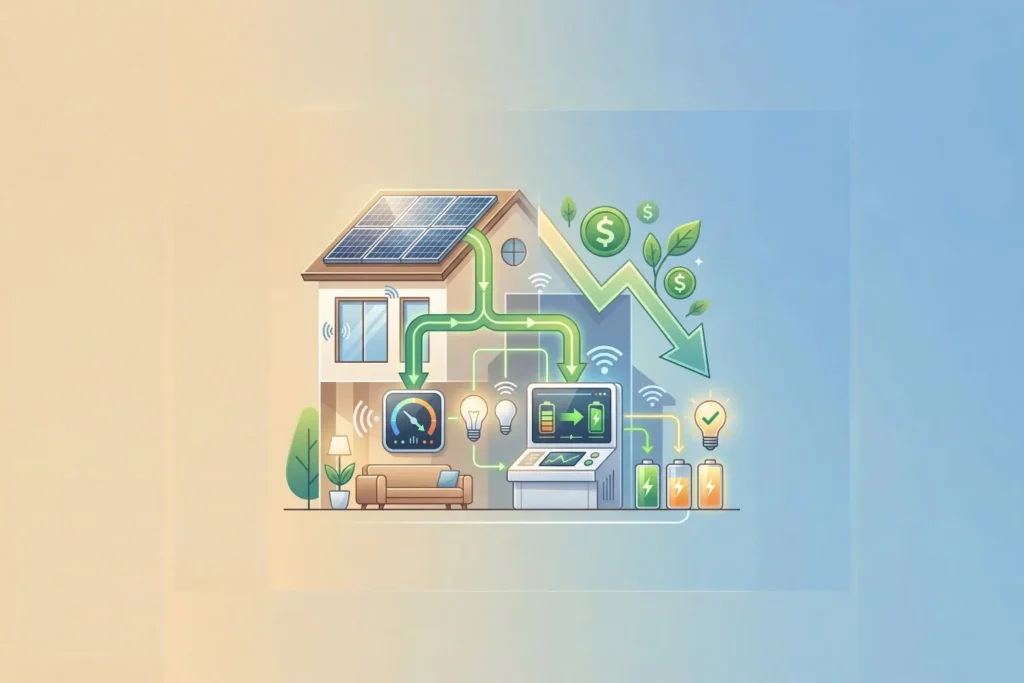
The Internet of Things (IoT) has transformed the way we live, work, and interact with technology. From smart home devices and industrial sensors to connected healthcare systems and logistics trackers, IoT has become the backbone of modern digital transformation. But as the number of connected devices grows, so do the security risks. Every device—no matter how small—can become a potential entry point for cybercriminals.
Ensuring IoT security is no longer optional; it is essential. The rise in cyberattacks, data breaches, and device vulnerabilities has made IoT ecosystems one of the most targeted digital environments today. For businesses, this means one thing: securing connected systems must be a top priority.
This blog explores the biggest threats facing IoT ecosystems today, the best strategies to safeguard them, and why organizations must rethink their entire security approach.
Why IoT Security Matters More Than Ever
IoT ecosystems operate through constant communication between devices, servers, and cloud platforms. While this connectivity powers automation and efficiency, it also increases exposure to vulnerabilities.
A single compromised IoT device can lead to:
-
Unauthorized access to sensitive data
-
Disruption of operations
-
Malware spreading through networks
-
Device hijacking or manipulation
-
Large-scale Distributed Denial of Service (DDoS) attacks
With billions of IoT devices in circulation and more being deployed every day, attackers have a larger playground than ever before.
This is why many of the world’s Top AI companies are now integrating advanced threat detection and machine learning models to improve IoT security automation.
Major Security Threats Targeting IoT Systems
IoT devices often have limited processing power and smaller memory, which means they cannot run heavy security tools. This makes them prime targets for cybercriminals. Below are the biggest threats businesses must prepare for:
1. Weak Authentication and Default Passwords
Many IoT devices come with default passwords that users never change. These credentials are often publicly known or easy to guess, making unauthorized access incredibly simple.
2. Unsecured Communication Channels
IoT devices frequently communicate in real time, but not all use encrypted protocols. This leaves them vulnerable to man-in-the-middle attacks where hackers intercept and manipulate data.
3. Outdated Firmware and Software
Manufacturers may stop offering updates, or businesses may neglect to install patches. This leaves devices vulnerable to known exploits.
4. Device Hijacking and Botnets
Hackers can take control of multiple IoT devices to create botnets capable of launching massive cyberattacks. The infamous Mirai botnet attack is a perfect example.
5. Physical Security Vulnerabilities
Industrial IoT devices, sensors, and cameras located in public or unprotected areas can be tampered with physically, creating access points for attackers.
6. Cloud and API Exploits
IoT devices rely heavily on cloud infrastructure and APIs. If these are misconfigured or poorly secured, attackers can infiltrate entire ecosystems.
How to Strengthen IoT Security in 2025 and Beyond
Companies must implement multi-layered strategies that not only protect devices but also safeguard the network and data they interact with. Here are the most effective approaches:
1. Enforce Strong Authentication Mechanisms
Move beyond simple passwords and adopt:
-
Multi-factor authentication (MFA)
-
Biometric authentication where possible
-
Device certificates and key-based authentication
Stronger identity verification reduces unauthorized access significantly.
2. Use End-to-End Encryption
Every data packet—whether in motion or at rest—must be encrypted.
Benefits include:
-
Protecting sensitive communication
-
Preventing data manipulation
-
Blocking man-in-the-middle attacks
Modern IoT security requires encryption as a standard, not an option.
3. Keep Devices Updated
Regular updates can fix vulnerabilities before attackers exploit them. Businesses must:
-
Create structured firmware update cycles
-
Use automated update management tools
-
Choose vendors that offer long-term support
Outdated IoT devices are among the biggest cybersecurity liabilities.
4. Implement Network Segmentation
Never allow IoT devices to live on the same network as your critical systems.
Segment the environment into zones:
-
Public
-
IoT
-
Internal
-
Sensitive
This ensures that even if one device is compromised, attackers cannot access the entire network.
5. Monitor Devices with AI-Powered Threat Detection
Behavioral analysis powered by machine learning can detect unusual activity in real time. This is especially important for large IoT ecosystems where manual monitoring is impossible.
Predictive threat detection powered by AI helps identify:
-
Suspicious traffic patterns
-
Unauthorized commands
-
Device behavior anomalies
Some of the Top AI companies in Australia are already using AI-driven cybersecurity to support predictive IoT security solutions.
6. Secure APIs and Cloud Infrastructure
Since IoT devices depend on APIs for communication, securing them is crucial.
Ensure:
-
API gateways are protected
-
Access tokens are managed securely
-
Cloud platforms adhere to strong security standards
Misconfigured APIs are one of the most common attack points in IoT systems.
7. Conduct Regular Penetration Testing
Ethical hackers can identify security gaps long before attackers find them.
Testing should include:
-
Device penetration testing
-
Network and API testing
-
Firmware and communication testing
Pen-testing helps assess real-world vulnerabilities and strengthen defenses.
8. Build Security Into the Product from Day One
Security must be part of the product development lifecycle—not an afterthought.
Follow secure-by-design principles:
-
Minimum permissions
-
Secure coding practices
-
Threat modeling
-
Device hardening
This ensures that every new IoT product is ready to face emerging threats.
Why Businesses Must Act Now
IoT ecosystems are growing rapidly, and cybercriminals are evolving just as fast. Delayed action means increased risks, potential financial losses, and damaged brand trust.
Every organization—whether in healthcare, manufacturing, smart home tech, logistics, or retail—must prioritize IoT security as an integral part of digital transformation.
A Secure IoT Ecosystem Starts with Awareness and Action
In today’s hyperconnected world, IoT security defines the safety and reliability of business operations. Protecting your ecosystem requires a combination of strong architecture, proactive monitoring, secure development, and continuous improvement.
When organizations take IoT security seriously, they build stronger, safer, and more resilient digital environments.