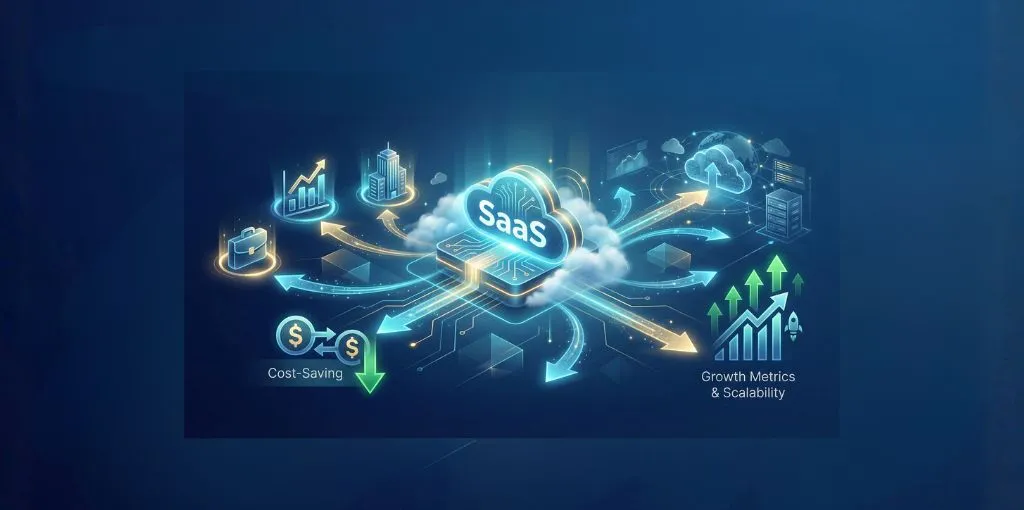
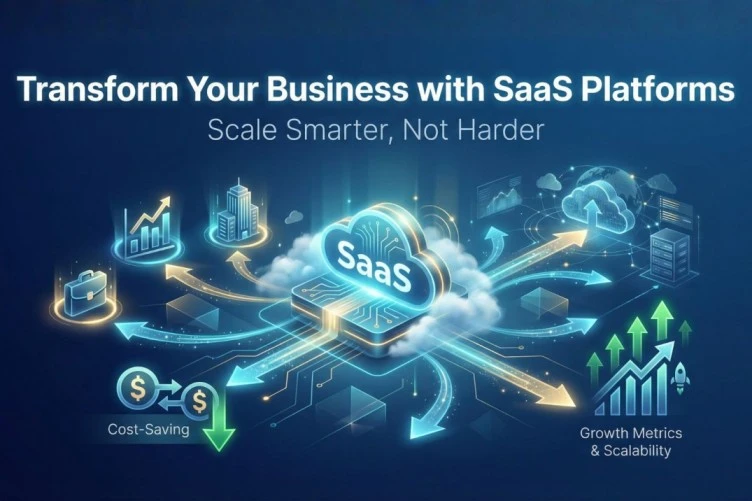
In today’s fast-moving digital world, businesses want to grow—but not at the cost of skyrocketing expenses. Hiring more staff, buying new servers, upgrading software, and managing IT infrastructure can quickly eat into profits. This is where SaaS platforms are transforming the way businesses operate and scale.
Software as a Service (SaaS) allows companies to use powerful software through the cloud, without owning or maintaining the underlying infrastructure. From startups to established enterprises, SaaS platforms enable smarter growth with lower operational costs.
In this blog, we’ll explore how saas application development helps businesses scale efficiently, reduce expenses, and stay competitive—without adding unnecessary complexity.
The Everyday Scaling Problem Businesses Face
As businesses grow, so do their challenges:
-
Rising IT and maintenance costs
-
Limited internal technical expertise
-
Difficulty managing data across teams
-
Expensive software licenses and upgrades
-
Systems that cannot handle increased users
Many businesses delay growth because scaling feels risky and expensive. SaaS platforms solve this by offering flexibility, accessibility, and cost efficiency—all in one model.
What Is SaaS and Why Is It So Powerful?
SaaS is a cloud-based software delivery model where applications are hosted online and accessed through the internet. Instead of installing software on individual systems, users simply log in from anywhere.
Key characteristics of SaaS include:
-
Cloud hosting
-
Subscription-based pricing
-
Automatic updates
-
Easy scalability
-
Anywhere access
With the right saas application development, businesses get tools that grow with them—without rebuilding systems from scratch.
1. No Infrastructure, No Heavy Investment
One of the biggest cost advantages of SaaS is eliminating infrastructure expenses. Traditional software requires servers, storage systems, security hardware, and ongoing maintenance.
With SaaS:
-
No on-premise servers are needed
-
No upfront hardware investment
-
No IT staff dedicated solely to maintenance
Everything runs on the cloud, allowing businesses to redirect funds toward growth, marketing, and innovation instead of infrastructure.
2. Pay Only for What You Use
SaaS platforms operate on flexible pricing models. Businesses pay based on users, features, or usage—making it ideal for scaling.
Benefits include:
-
Easy upgrades as your team grows
-
No cost for unused features
-
Predictable monthly or yearly expenses
This flexibility ensures you’re never overpaying, especially during early growth phases.
3. Scale Instantly Without System Breakdowns
Scaling traditional software often means downtime, upgrades, and compatibility issues. SaaS platforms are built to handle growth seamlessly.
With SaaS:
-
New users can be added instantly
-
Performance remains stable under higher demand
-
Systems scale automatically in the background
This allows businesses to onboard customers, partners, or employees without worrying about technical limits.
4. Faster Deployment, Faster Results
Speed matters in business. SaaS solutions can be launched much faster than traditional systems.
Advantages:
-
Reduced development and deployment time
-
Quicker market entry
-
Faster ROI
Custom saas application development ensures your platform is built specifically for your business needs—without unnecessary delays.
5. Easy Access for Remote and Hybrid Teams
Modern businesses are no longer limited to one location. SaaS platforms support remote work by design.
Key benefits:
-
Access from any device, anywhere
-
Real-time collaboration
-
Centralized data storage
This improves productivity and reduces dependency on physical offices or local servers.
6. Automatic Updates and Security
Managing updates and security patches manually can be expensive and risky. SaaS platforms handle this automatically.
What businesses gain:
-
Regular feature enhancements
-
Built-in security updates
-
Compliance with latest standards
This reduces downtime and ensures your software stays modern and secure without extra cost.
7. Data-Driven Decisions Made Simple
SaaS platforms often include analytics and reporting features that help businesses understand performance, user behavior, and growth opportunities.
With built-in insights:
-
Track customer engagement
-
Monitor operational efficiency
-
Make informed decisions quickly
Custom SaaS solutions can integrate AI, automation, and advanced dashboards to unlock even deeper insights.
8. Custom SaaS Aligns With Business Goals
Off-the-shelf tools don’t always fit unique workflows. Custom SaaS platforms are designed around how your business actually operates.
Benefits of custom development:
-
Tailored features
-
Better user experience
-
Stronger competitive advantage
At MVPnBeyond, we focus on building scalable SaaS solutions that evolve with your business—not restrict it.
Real-Life Example: Growing Without Growing Costs
Imagine a service-based company managing customers through spreadsheets and emails. As customers grow, chaos follows—missed follow-ups, data duplication, and poor customer experience.
A custom SaaS platform centralizes:
-
Customer management
-
Billing
-
Communication
-
Reporting
The business scales smoothly without hiring extra staff or investing in costly infrastructure.
Final Thoughts
Scaling doesn’t have to mean higher costs. With the right saas application development, businesses can grow smarter, faster, and more sustainably. SaaS platforms remove technical barriers, reduce expenses, and provide the flexibility needed in today’s digital-first world.
If you’re looking to build scalable, secure, and future-ready SaaS solutions, partnering with an experienced saas development company sydney like MVPnBeyond can help you turn growth challenges into opportunities—without increasing your operational costs.